It’s hard to think about school starting in July! So many 2026 graduates are ending their first job search and gearing up for their first-ever classroom. While this time can be incredibly exciting, some parts of the teaching journey can be bumpy at first.
We here at TEP understand that teachers are perseverant and resilient, but sometimes the biggest difference can be made by simply offering a helping hand. Here are a few tips to help new teachers hit the ground running.
Look for Local Nonprofits
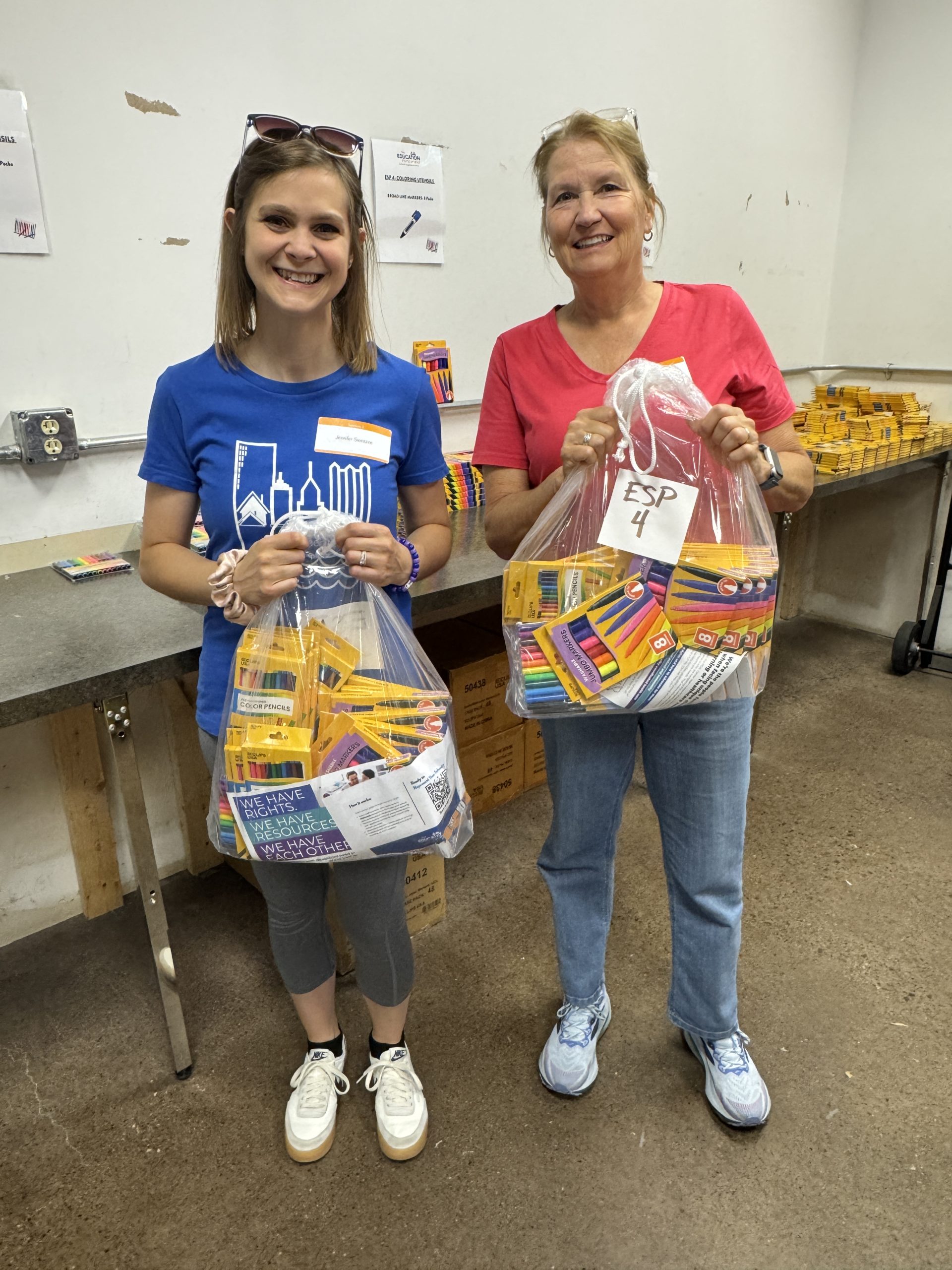
Starting a classroom from scratch can be expensive. The good news is that there are nonprofit organizations across the country specifically created to support teachers by offering school supplies at little or no cost.
A great place to start is the Kids in Need Foundation (KINF), which has affiliate programs nationwide and works to ensure every teacher has what they need to create a great learning environment. As the Southwestern PA affiliate for KINF, we know firsthand the impact of the extensive network. Don’t be afraid to reach out and ask for help.
Build Relationships
It’s easy to get tunnel vision in your first year and focus entirely on crafting lessons that will wow your students. Remember that the relationships you build with your students are equally as important as any lesson plan.
Getting to know your students on a personal level is key to building trust and opening lines of communication. There are plenty of studies on this, including one from the American Psychological Association, which summarizes its findings by noting: “students who have close, positive and supportive relationships with their teachers will attain higher levels of achievement than those students with more conflict in their relationships.” When students feel seen and valued, they show up differently, and so will you.
Keep a Few Back-Up Lessons on Hand
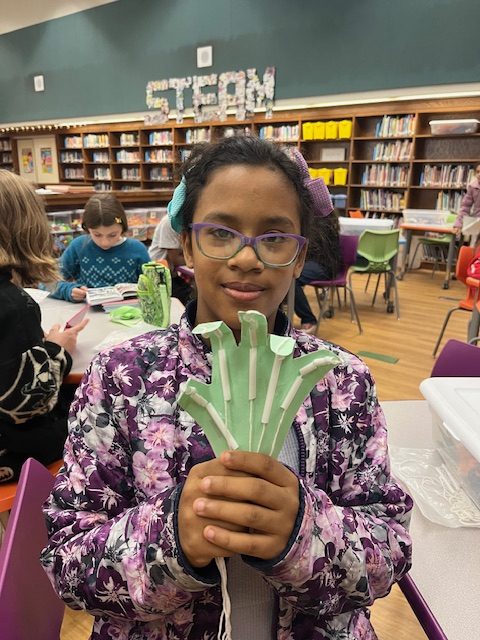 As a new teacher, it can be hard to predict how quickly or slowly your class will move through a lesson. Having one or two shorter backup activities ready to go can save you from those awkward “we have 20 minutes left” moments.
These don’t need to be elaborate. A discussion prompt, a quick review game, or a low-stakes creative activity can bridge the gap and keep the momentum going until the bell rings. Keeping a few short videos on-hand with some guided questions for the students to answer while watching will also change-up the pace of the lessons.
For teachers in our program, we offer the perfect solution with our STEAM-Possible Packs! These pre-packaged lesson plans have everything you need to create a quick but memorable hands-on activity with your students. By offering packs for different grade levels, all teachers can benefit from activities tailored exactly to their age group.
Find Your Work Friends
Coming up with lesson plans entirely on your own is exhausting, and the good news is that you don’t have to. Building connections with colleagues across your school creates a support system that can make a real difference throughout the year. Sites like Teachers pay Teachers provide resources that make your lesson planning easier and you can build connections with fellow educators.
Don’t underestimate the value of veteran teachers in particular. Most are more than willing to share advice, resources, and encouragement. A quick conversation in the hallway can sometimes save you hours of planning time.
Struggling to find your crowd? Come visit us! With many program offerings throughout the year, including teacher shopping and teacher summer camp, there are plenty of opportunities to meet peers outside your school!
Give Yourself Grace
Many new teachers feel intense pressure in their first year. Whether it’s building lesson plans from scratch or carrying the weight of your students’ struggles, it’s easy to feel like everything depends on you getting it exactly right.
The truth is, no teacher gets it right every time, and that’s okay. Letting your career become all-consuming can actually work against you in the long run, especially when so many teachers leave the profession due to burnout. Give yourself permission to be a work in progress.
Be patient with yourself the same way you’d be patient with your students. Every stumble is a lesson, and every day is a chance to do a little better than the day before.
Author: The TEP Team