When community leaders envisioned the Won’t You Be a Reader campaign, our goal was to get as many books into children’s hands as possible. We set our sights high, aiming to give out 50,000 books ourselves, and hoping other nonprofits in the greater Pittsburgh community would match our enthusiasm for learning. Little did we know that we would meet and exceed that goal.
What is Won’t You Be a Reader?
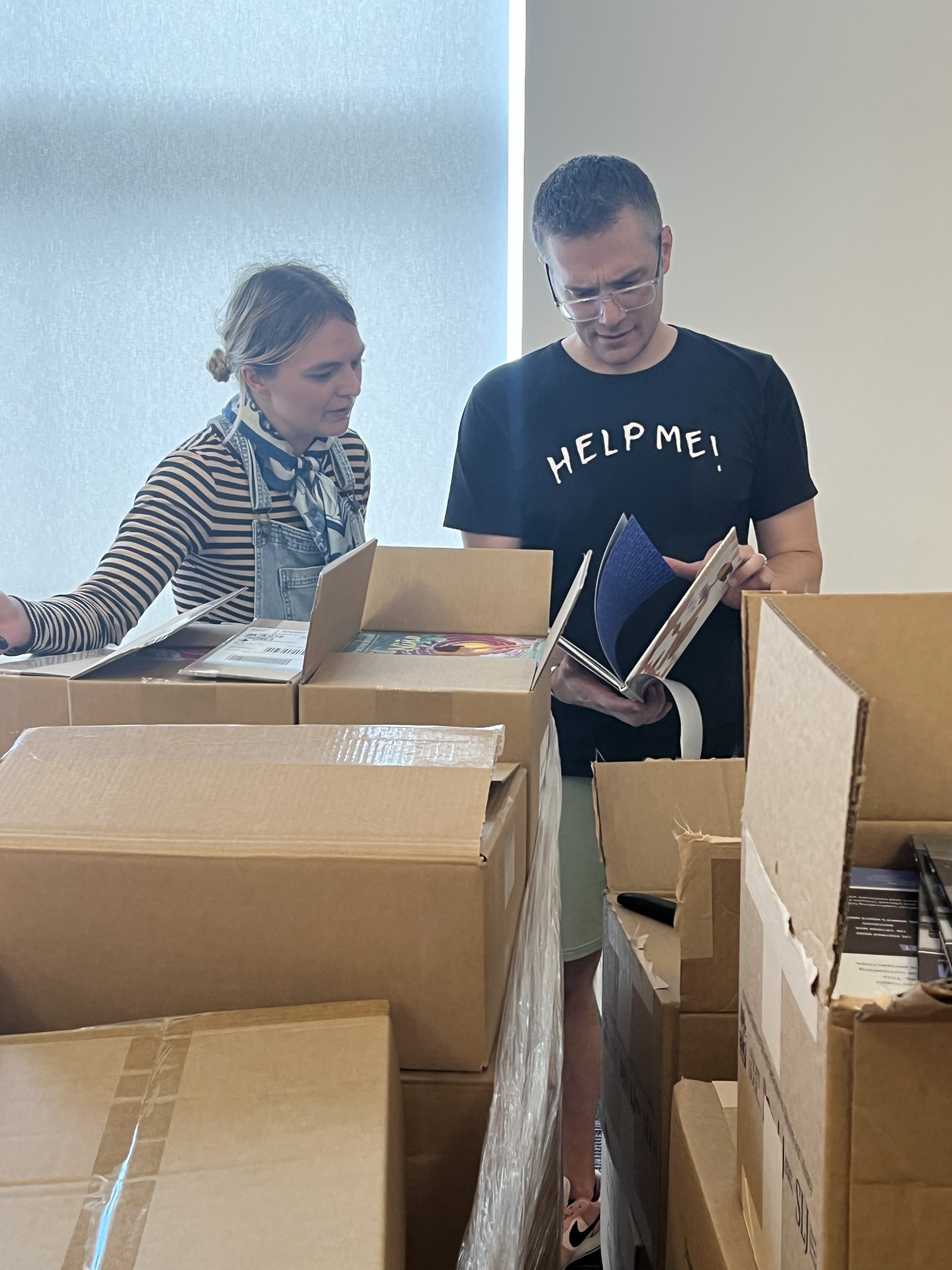 Inspired by Mister Rogers’ lasting impact, the Won’t You Be a Reader campaign was created to give students access to reading materials across the Steel City in partnership with The Grable Foundation and Scholastic, and many more incredible community leaders.
With events throughout the year, families will have many opportunities to celebrate the love of reading with their favorite nonprofits. Keep your eye out for upcoming events through Kidsburgh.
Surpassing the Goal
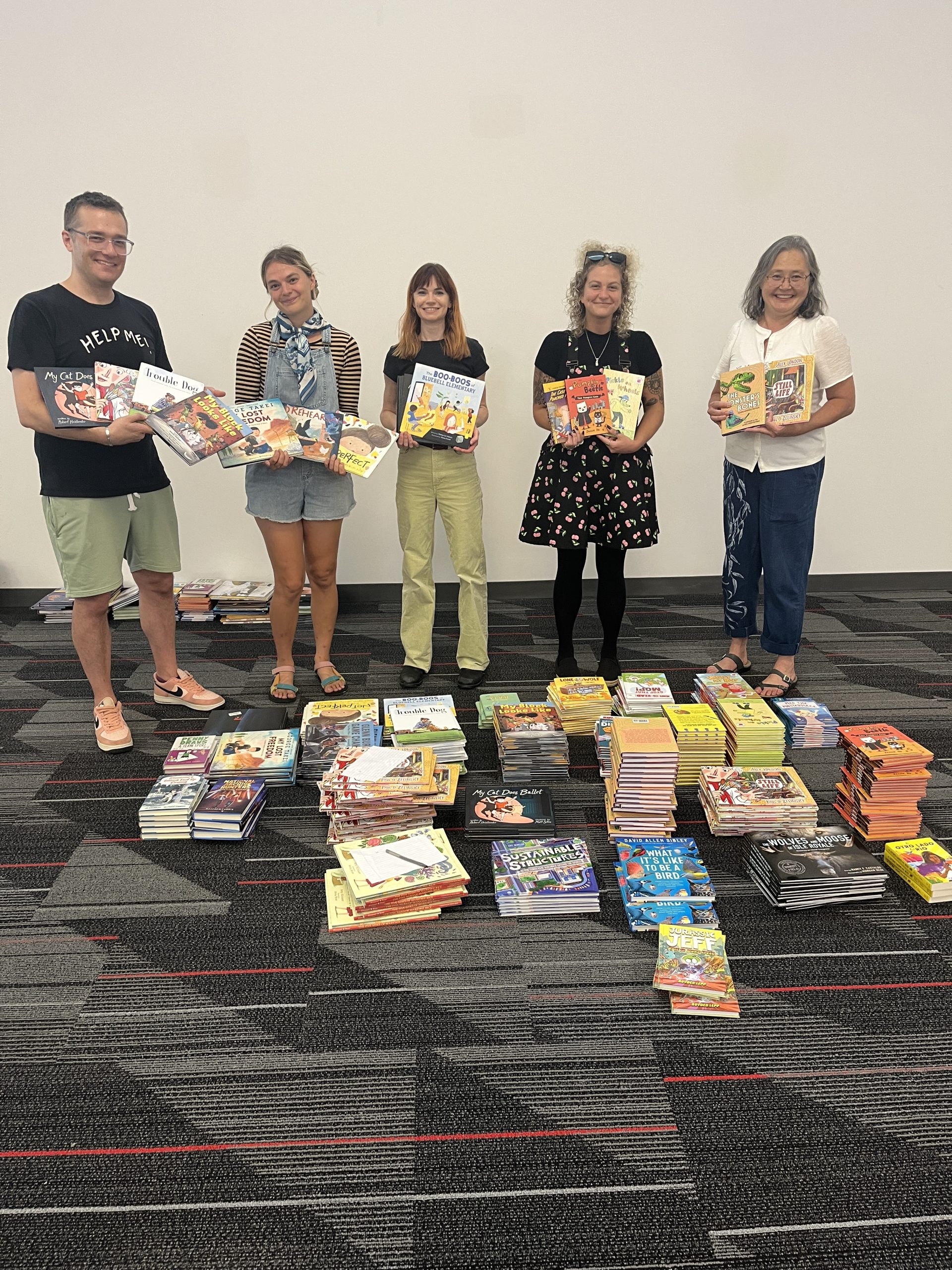
When our special distribution ended, we blew past our original goal, giving away a total of 66,977 books. And with many more books still being given away to schools through our programs, that number keeps rising every time a teacher visits our Teacher Resource Center. But even more impressive than the number of books we gave away is how our nonprofit partners plan to use them to drive change.
 The Difference of a Single Book
From our first nonprofit to our last, each organization’s impact showed up in a different way. The first nonprofit to visit us, Learning Disabilities Association of Pennsylvania, goes above and beyond to meet its goals. They not only teach students how to read, but also encourage them to find joy in reading. Giving students a wide variety of book options helps ensure every student can find their passion.
The last nonprofit we saw was very different, but just as crucial. With UPMC For You, they deliver support kits to families who need support during a difficult medical time in their lives. This provides an often much-needed mental pick-me-up for children. It shows them the community cares and has their backs.
While the programs varied drastically in their approach, they all have one thing in common. They all know it’s never just a book. The right book can mean a student learning to read, having something that is just theirs, or escaping into a story. It also shows that the community cares about them when it counts.