Joie’ James is in her fifth year at Clairton Elementary and her third as the school’s life skills special education teacher for grades 3 through 5. A graduate of Youngstown State University, she earned her master’s degree in special education from Carlow University. In her classroom, learning goes well beyond the basics. Her students practice everything from tying their shoes to communicating with confidence. We sat down with Joie’ to hear how TEP’s hygiene kits support her students, what she wishes everyone knew about life skills teaching, and the moments that remind her why she does this work.
 What is something that you received from TEP that made a difference in your classroom?
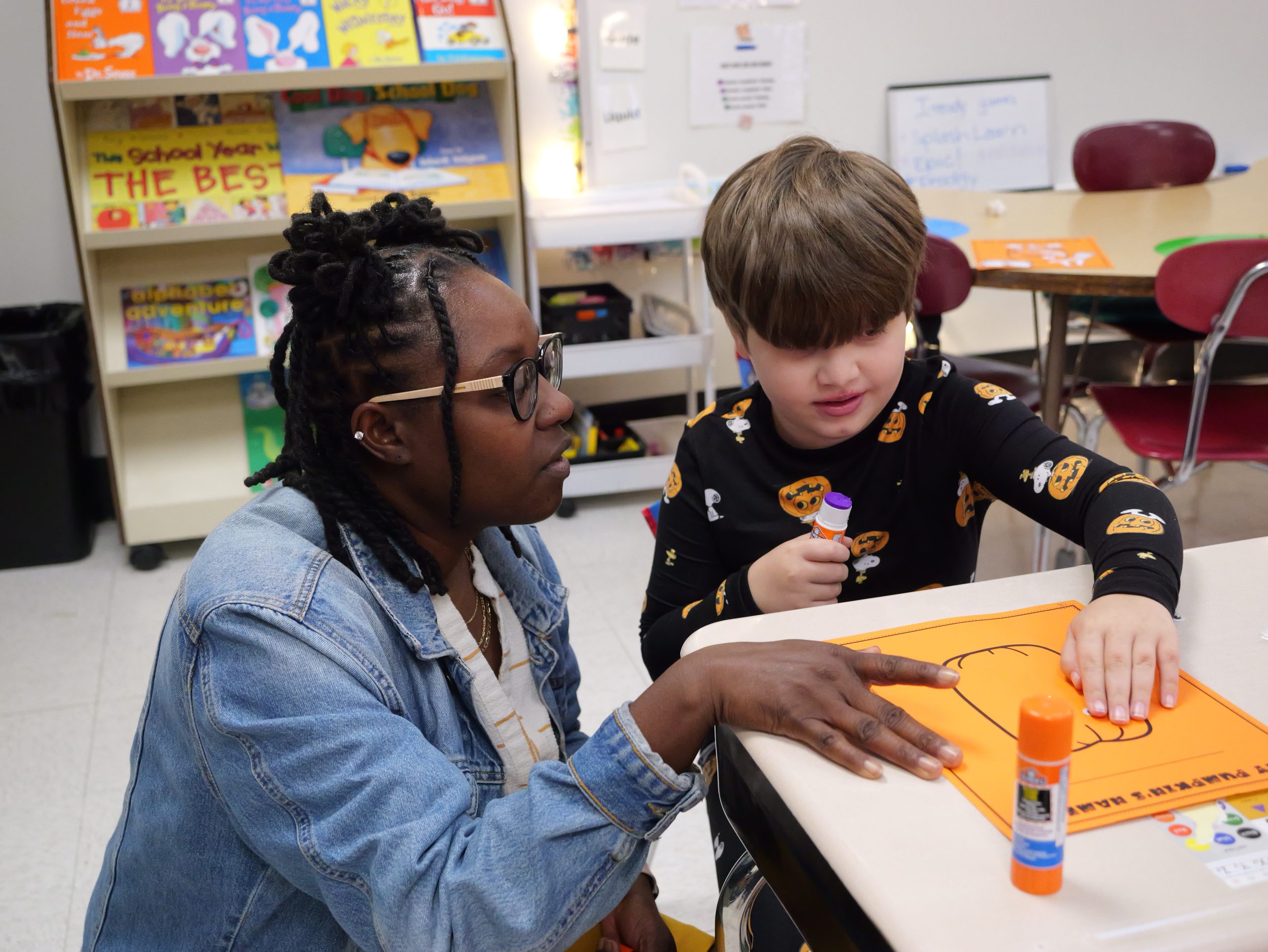
I would say it’s the hygiene kit that TEP offers. In the life skills room, having access to the right resources always matters. Some kids aren’t as skilled or as knowledgeable about grooming and hygiene overall. Having a deodorant stick or a toothbrush on hand for emergency situations is really nice, and so those hygiene kits have really come in handy for our life skills room. Outside the room, too, we have teachers and students come in who need things, and we were able to give them what they needed.
In your life skills classes, do you teach students things like brushing their teeth and general hygiene in addition to traditional classroom concepts?
Yes, absolutely. When you think about school, obviously you think about reading, writing, math, and things of that nature. But in the life skills room, you really have to be flexible and adjust for actual life events. We have some kids who may be in the fourth or fifth grade who don’t know how to tie their shoes yet. We take time out of our day to practice tying our shoes. Some female students come to our classroom without knowing what to expect or how to use menstrual products. Providing these supplies along with basic education about menstruation helps students feel prepared and confident in taking care of their personal hygiene needs. Social skills and communication skills are the biggest pieces of what we learn in the life skills classroom.
 What is one thing you wish everyone knew about being a life skills teacher?
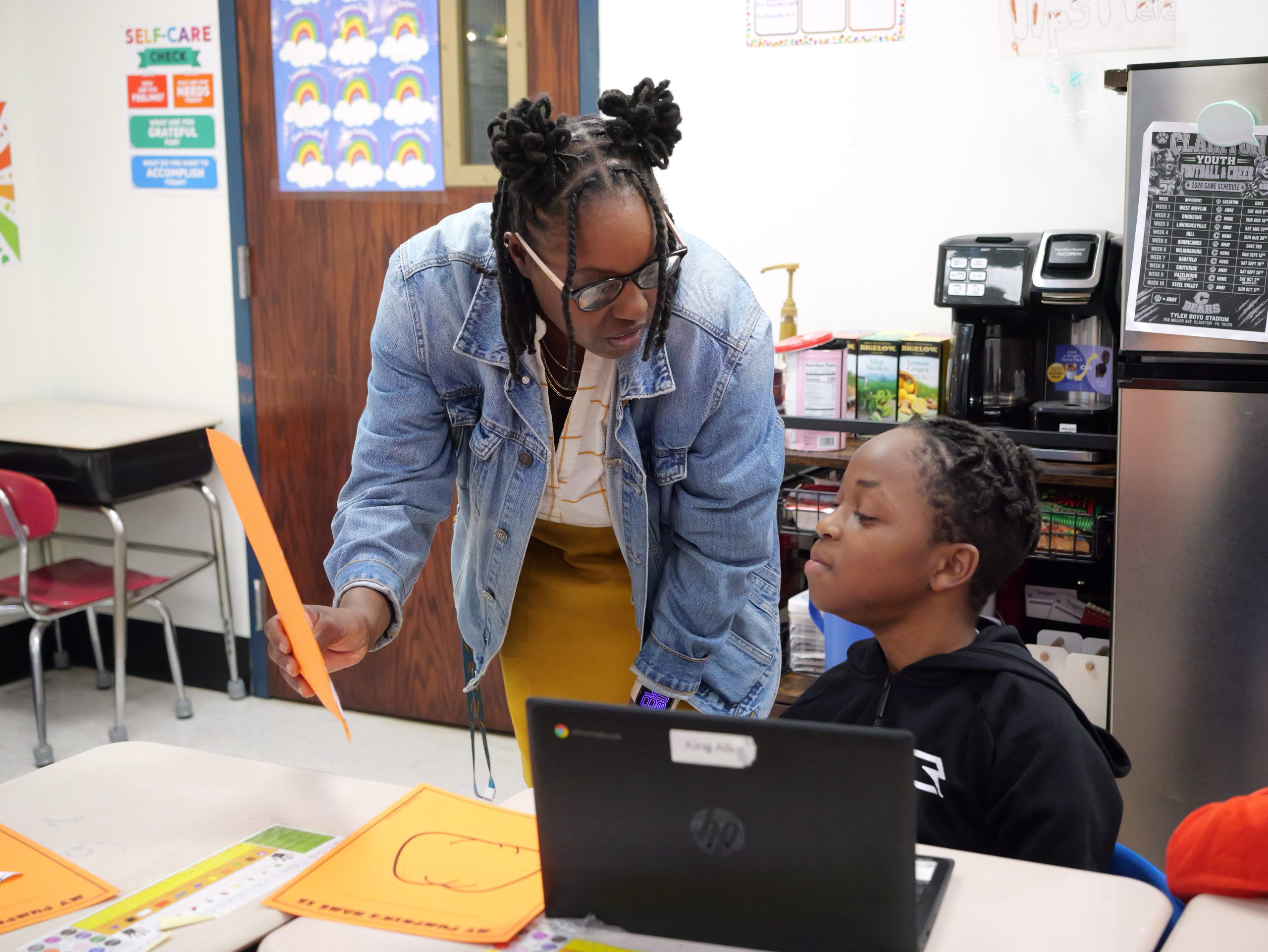
The most important thing I wish people knew is that relationships really do matter and that they take a lot of time. Sometimes you may not get to a person as quickly as you want, so you may have teachers who are thinking solely about academics, and my job is to work on their Individualized Accommodation Plan goals. I want them to learn their math and their reading, but if a student is showing behaviors because of reading, you have to target the behaviors first. Sometimes it’s okay to accept help. Learning what makes them want to be a student in the life skills class is really important.
What was a moment in your classroom that stuck with you?
A moment that recently stuck with me is having my 4th student in a life skills setting get Student of the Month. You never really see students in special education earn those types of accolades, but seeing them come from the life skills setting and earn that has been very special. I want them to be successful in every way possible.
I have 6 students with autism this year, which has never happened to me. They’re on both ends of the spectrum. I have 2 that are very close to non-verbal, and then I have some that are very bright, and they’re just missing social pieces. Two of them made sure that I came to their recognition, and it blessed my heart. You really have to look at where they’ve come from and where they are now. Some of them feel like they never were going to reach that point. To have somebody care enough to make sure they get there, and then to see them be there, it’s amazing. Four of them have won so far, and hopefully more to come.
 Do you have any advice for future para-professionals and life skills teachers?
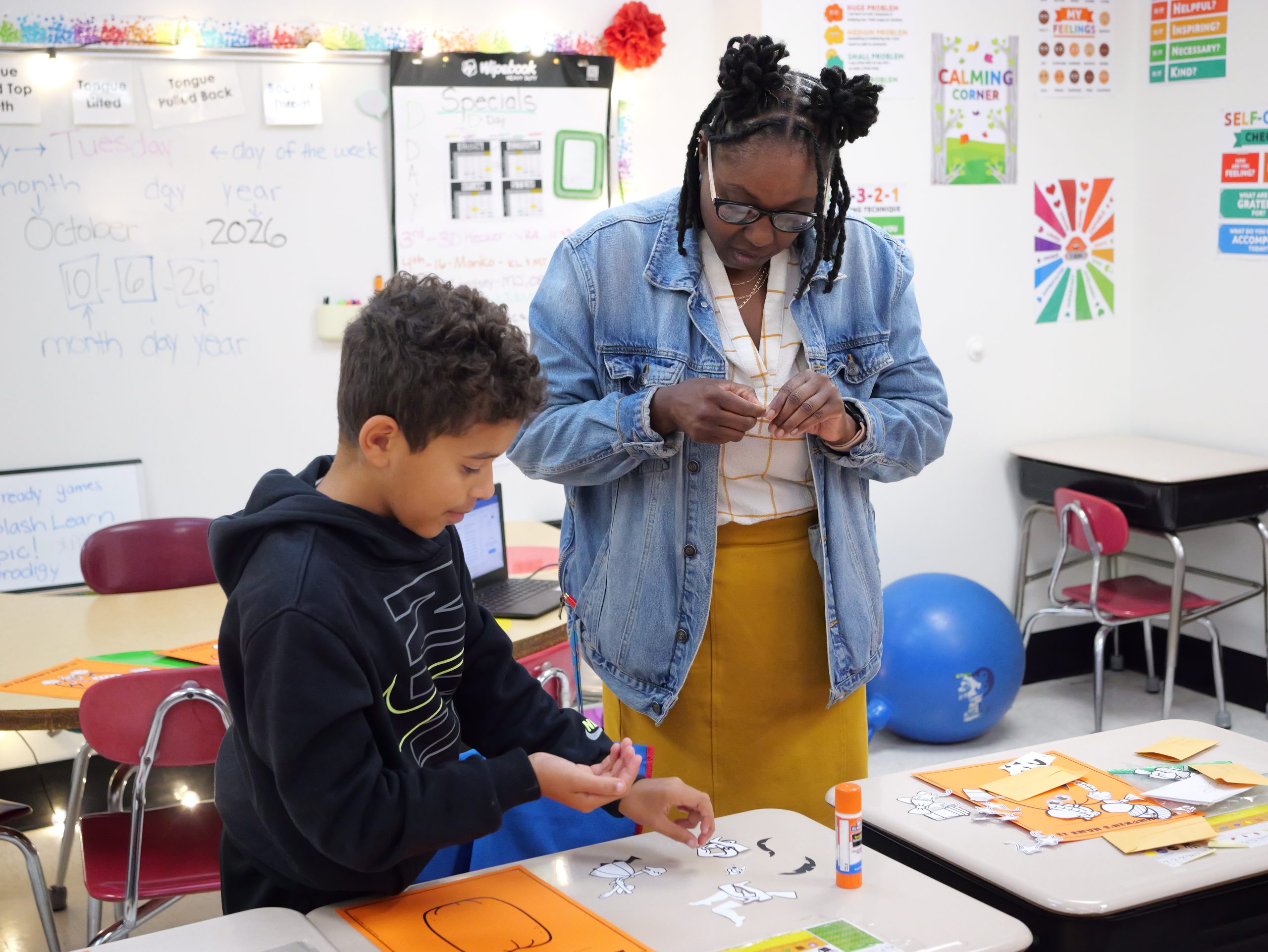
Don’t let the hard times or unexpected moments deter you from keeping on. It is very tough. You definitely have to be ready for anything at any moment, based on the students that you are serving. We can have a routine we follow all day, and I may end up flailing on the floor, showing them I can have a meltdown moment and then come back from it. Be ready to be flexible at any moment, to change what you think you’re getting ready to do, because you’re never really ready for what’s going to happen in a life skills setting. Be flexible and don’t give up during the hard times, because they can feel really hard and make you wonder, “Why am I here, and am I supposed to be in this position?” But if you’re there, you’re supposed to be there. So don’t give up during those hard times.
Author: The TEP Team