One of the best parts of the school year is getting an inside look at life in our partner schools. Our visits give us a glimpse of what students love (spicy chips, anyone?), what’s working in the classroom, and the trends shaping school culture.
Last year, we started spotting something new in schools across our network: spirited chants, colorful nameplates, and teachers sporting house identifiers on their lanyards. This year, we’re seeing it everywhere! These aren’t just fun classroom additions; they’re signs of a schoolwide movement that’s bringing students and educators together: the Ron Clark Academy House System.
What is the Ron Clark Academy House System?
If you grew up in the 2000s, you probably know what it’s like to be sorted into a school house, thanks to a very popular fantasy school franchise. Now many of those kids are becoming educators, and they’re bringing their own version into their schools and classrooms.
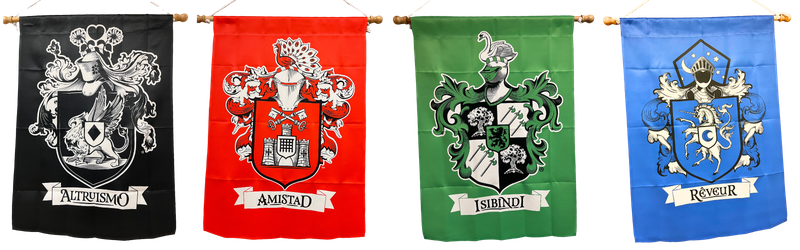
Created by the Ron Clark Academy (RCA), the RCA House System puts a fresh twist on the classic four-house model. Its houses draw on words from several languages:
- Altruismo: the House of Givers
- Amistad: the House of Friendship
- Isibindi: the House of Courage
- Rêveur: the House of Dreamers
What makes the system unique is who takes part and how sorting works. Teachers and staff join in alongside students, so the whole school community shares the experience. Students are sorted into houses at random, not based on personality types. Every house promotes positivity, so there’s no wrong choice!
How does it benefit students?
Schools adopt house systems for many reasons, and most of the benefits fall into a few categories.
Belonging and community. In a large building, a house gives students a smaller “home base.” Because houses include students from multiple grades, an older student might mentor a younger one they’d never otherwise meet. Shared rituals like chants and house gatherings help those connections stick.
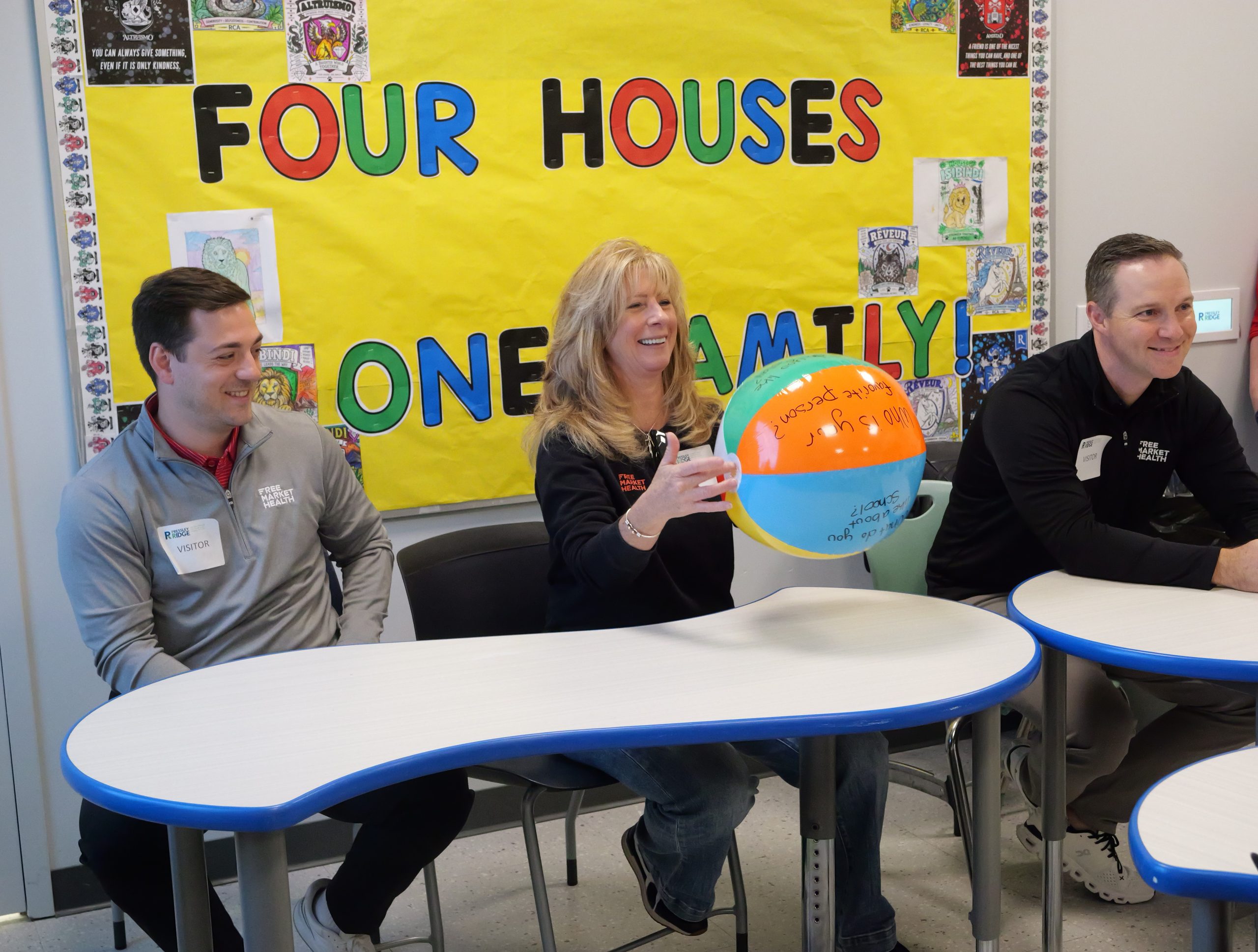 Motivation and teamwork. Houses often earn points for things like kindness, effort, and showing up ready to learn. This keeps the competition friendly and rewards positive behavior- not just winning, giving students a reason to cheer each other on.
Stronger relationships with adults. When teachers and staff belong to houses, students see them as part of the same community. That shared identity can make it easier for students to connect with the adults who support them.
A positive school culture. House points can reinforce expectations in a fun, rather than punitive, way, helping good habits become part of everyday school life.
Like any program, the house system works best when it stays inclusive and focuses on participation and community rather than a “who is the best” mentality. When schools strike that balance, it can bring energy and connection to a building.
At TEP, we’re proud to support the schools and educators across Southwestern PA who are finding creative ways to make students feel they belong. We’re excited to see this trend continue to grow, and we’ll be cheering on students and teachers along the way.
Author: The TEP Team