A Growing Need Amid Federal Uncertainty
Earlier this month, proposed federal changes to Head Start raised new questions about the future of the program, including potential changes to program standards and limits on how much providers can spend on administrative costs. While aimed at cost-saving and deregulation, critics have raised concerns about what these changes could mean for a program that has long played an important role in supporting children and families experiencing poverty. Head Start currently serves 1 million children nationally with its $12 billion budget, while an additional 2 million eligible children living in poverty remain unserved in the U.S.
Perhaps it’s not surprising, then, that TEP constantly fields requests for help from early childhood education providers: PreKs, Head Starts, childcare centers, and more. When the federal administration changed over in early 2025, we saw a record number of partnership applications from Head Starts across the region. Folks worried about what would happen to federal funding; uncertainty was, and continues to be, rampant, and educators scrambled to line up other sources of support for their classrooms. And so, for our 2025-2026 school year, we enrolled an additional 19 Head Start locations, bringing our total Head Start partners to 23.
A Gap in Our Offerings
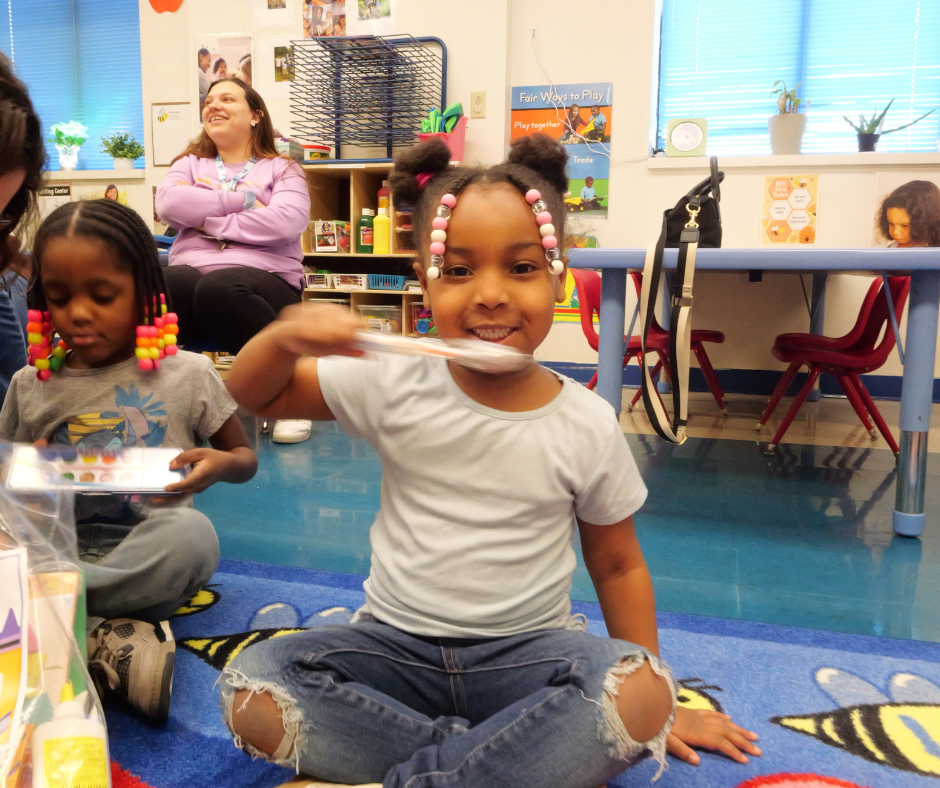 Despite the record number of applicants for our services in the spring, when back-to-school shopping came around in 2025, Head Start partners weren’t exactly clearing us out. A few folks picked things up for their classrooms and agencies, but not nearly as many as we anticipated.
The problem was that our core products, which educators access through the Teacher Resource Center(notebooks, pencils, folders, and the like), weren’t originally developed with our earliest learners in mind. Because TEP partners with schools serving grades PreK-12, many of our offerings have historically tried to hit the middle of that age range for maximum impact. Based on feedback from our PreK and K teachers over the years, we’ve worked on diversifying our offerings: sourcing different kinds of supplies, adding an Early Childhood Enrichment Support Package for shoppers to choose from, and continuing to partner with folks like PNC Grow Up Great. But the influx of Head Start partners in 2025 really pushed the issue front and center for us. And now that the word was out at regional Head Start agencies like the Allegheny Intermediate Unit, we expected even more applicants for the 2026-2027 school year. We needed to do something different, and we needed to do it right away.
Listening to Head Start Educators
Our Program Committee was on the case. Looking back at product requests from early childhood teachers over the years, we knew that writing utensils were an easy fix: little hands needed jumbo pencils and crayons to practice fine motor skills. We also knew arts and craft supplies were consistently in high demand, so boosting those items was a priority. But which items in particular? Luckily, we now had a ton of Head Start educators to source feedback from. In emails and calls with contacts at all our Head Start agency partners, we explored ideas for what kinds of products would make the biggest difference to daily classroom activities and learning.
Introducing the Bright Beginnings Box
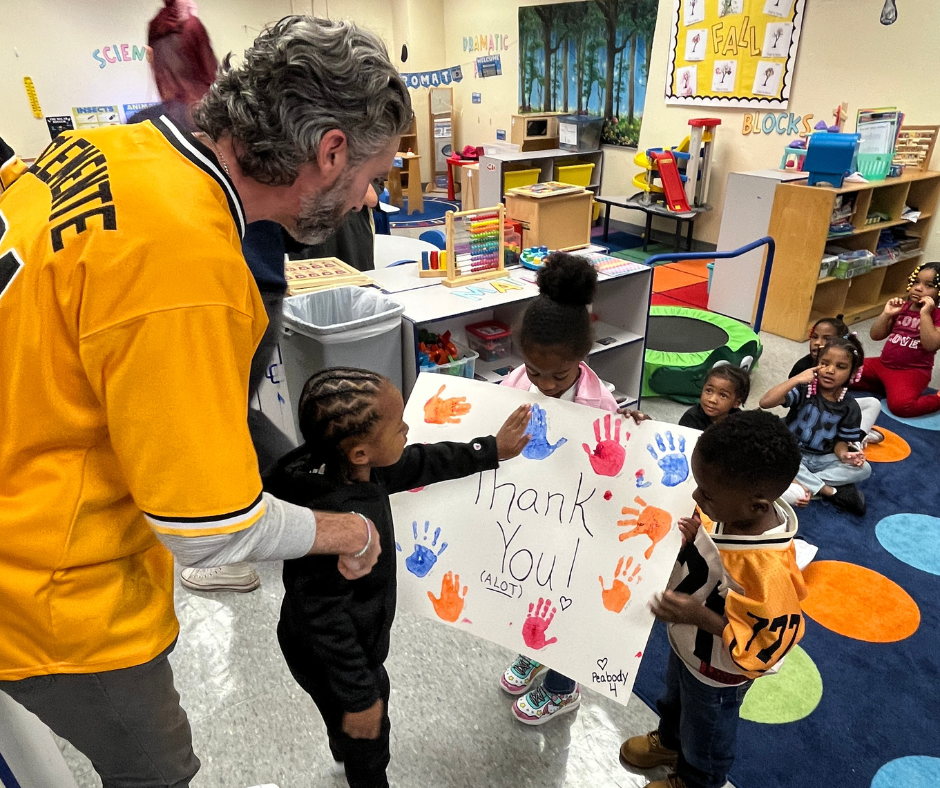 The result was our first Bright Beginnings Box: a classroom’s worth of early learning basics that Head Start partners will receive twice a year. A team of folks at TEP, led by Operations Manager Steve Hussar, has taken on this new distribution challenge to ensure all 84 of our 2026-2027 Head Start classrooms receive their first Bright Beginnings Boxes by the end of August to kick off the school year with these fun goodies.
Other items include copy paper, alphabet flashcards, number blocks, Play-Doh, and hygiene products for both the classroom and the home.
More Ways to Support Early Learners
All registered Head Start educators will also have access to Creative Corner shopping opportunities in the TRC (fall and spring) to pick up donated extras, ranging from furniture to books to snacks and more, based on availability. We’ve also been boosting our youngster-appropriate activities and tools in our STEAM Hub (did someone say Beebots?).
Looking Ahead
At TEP, our philosophy is that if we, as a community, can give educators specialized supplies that they need for their classroom, anything is possible. These new offerings for early learners prioritize health and hygiene, creativity and self-expression, and hands-on learning that prepares students for kindergarten. No matter how uncertain the federal landscape becomes, educators can count on TEP to keep innovating our offerings to meet the needs of our partner schools.